Compare Local Contractors for CCTV Camera Installation Services
Compare local contractors for CCTV camera installation to define project scope, verify experience, and set clear expectations for a successful security upgrade.
Contractors specializing in CCTV camera installation typically handle a range of services that include assessing property security needs, designing camera placement plans, installing wiring and mounting hardware, and configuring recording and monitoring systems. They may work with various types of cameras, such as dome, bullet, or PTZ models, and ensure that the system integrates smoothly with existing security infrastructure. Proper installation often involves evaluating the property’s layout, identifying optimal camera locations, and ensuring that the system functions reliably under different conditions, all while adhering to safety standards and best practices.
Clearly defining the scope of a CCTV installation project is essential to establish expectations and prevent misunderstandings. Property owners should work with contractors to specify the number and types of cameras needed, the areas to be monitored, and any additional features such as remote access or motion detection. Outlining these details in writing helps ensure that both parties agree on the work to be performed and provides a reference point throughout the project. A well-defined scope also facilitates effective communication and can help avoid scope creep or unexpected changes during installation.
When comparing local contractors for CCTV camera installation, property owners should consider several practical factors. Verifying the experience and reputation of service providers can help identify those with a track record of successful installations in similar settings. Reviewing credentials such as references or past project examples can provide insight into their expertise. Additionally, obtaining detailed proposals that outline the scope of work, materials, and responsibilities allows for side-by-side comparisons. This approach supports making an informed decision based on the contractor’s professionalism, clarity of communication, and ability to meet specific security requirements.
Compare local contractors by outlining your priorities, verifying experience, and setting clear expectations in writing.
- Compare Contractor Experience - review the background and project history of service providers to ensure they meet your needs.
- Define Scope Clearly - specify the areas to be monitored and installation requirements in written agreements.
- Verify Credentials - confirm that contractors have relevant experience and references for CCTV camera installation.
- Set Expectations in Writing - document all project details, including scope and responsibilities, to avoid misunderstandings.

Clearly describe your CCTV installation project to effectively compare local contractors, define scope, verify experience, and set expectations in writing.
- Verify experience and references of service providers to ensure they have relevant CCTV installation expertise. - Assess the scope of work outlined by contractors to confirm it aligns with specific security needs.
- Compare the warranties and service guarantees offered by different contractors to understand coverage and support. - Ensure installation plans include detailed site assessments and clear placement strategies.
- Check that service providers have a thorough understanding of local regulations and building codes related to CCTV systems. - Review written proposals to confirm all project details, including equipment specifications and installation procedures.
- Evaluate the communication and professionalism of contractors to ensure clear and responsive interactions. - Confirm that the scope of work, responsibilities, and expectations are documented in a detailed agreement.
- Look for contractors who can provide comprehensive plans for camera placement, wiring, and power supply considerations. - Ensure they can explain their approach to minimizing disruptions during installation.
Compare local contractors, verify their experience, and clearly define the scope to set proper expectations.
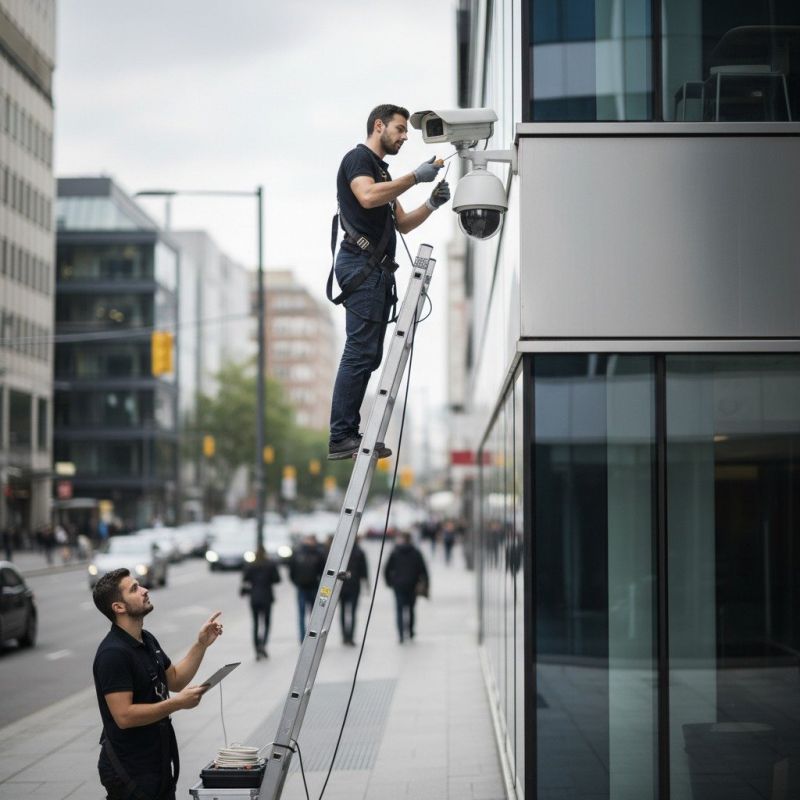

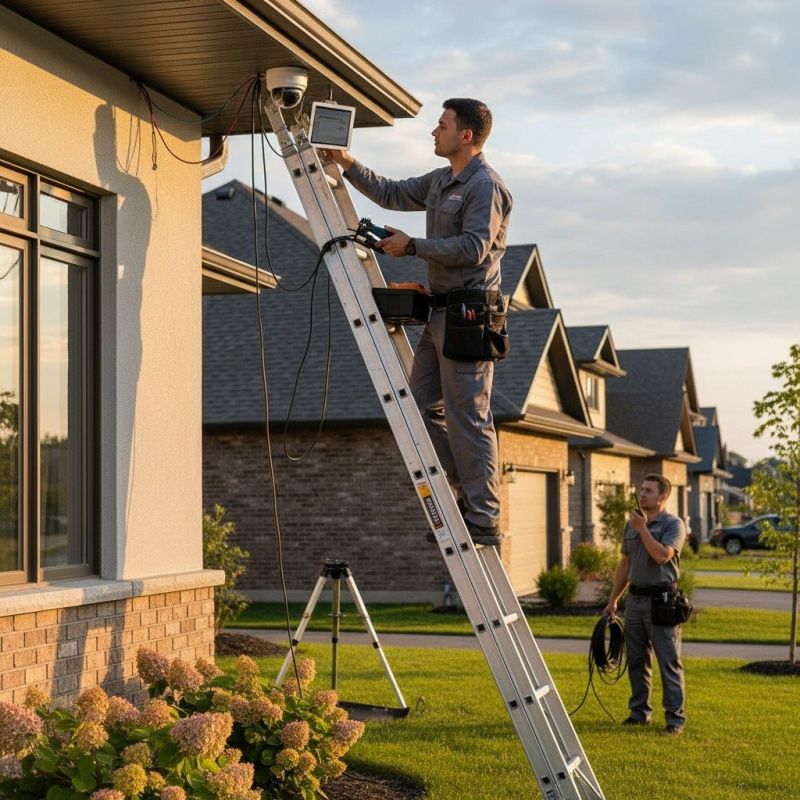

Use clear scope definitions and experience verification to ensure consistent comparisons among local contractors for CCTV camera installation.
- Coverage Area - Clearly define the specific locations and zones that the CCTV cameras need to monitor.
- Camera Types and Features - Identify the types of cameras and functionalities required to meet security and surveillance needs.
- Installation Environment - Assess the physical conditions and surfaces where cameras will be mounted to ensure proper setup.
- Wiring and Power Sources - Determine the wiring requirements and available power sources for camera operation.
- Scope of Work Documentation - Document the installation process, including camera placement, wiring, and system configuration details.
When comparing contractors for CCTV camera installation, it is important to evaluate their experience with similar projects. Homeowners should seek service providers who have a proven track record of installing security camera systems in residential or commercial settings comparable to their own. This background can provide insight into the contractor’s familiarity with different property layouts, camera types, and installation challenges, helping to ensure the chosen professional understands the specific requirements of the job.
A clear, written scope of work is essential when assessing potential contractors. Homeowners should request detailed descriptions of what the installation will include, such as the number of cameras, preferred locations, wiring methods, and any additional equipment or features. Having a well-defined scope helps prevent misunderstandings and sets clear expectations for the project, making it easier to compare proposals and ensure all parties are aligned on the work to be performed.
Verification basics are key to evaluating service providers effectively. Homeowners are encouraged to verify that the contractors have the necessary experience, references, or examples of completed projects similar to their own. It’s also advisable to ask about the process for system testing, integration, and troubleshooting, so that the homeowner understands how the contractor ensures the system functions properly upon completion. This verification process helps identify professionals who are capable of delivering quality work and reliable results.
When exploring options, homeowners should focus on how each contractor’s approach aligns with their needs and expectations. It’s useful to review the scope of work, experience, and methods outlined in proposals or discussions. Asking service providers about their installation process, warranties, and post-installation support can also provide valuable insights. By thoroughly comparing these aspects, homeowners can select a contractor who demonstrates professionalism, clarity, and a solid understanding of the project, leading to a more confident decision without relying on price considerations.
Ask contractors to provide written scope details to ensure clear expectations and consistent project understanding.
- Experience and Credentials - How can I verify the experience and track record of local contractors for CCTV camera installation?
- Scope of Work - What details should be included when defining the scope of CCTV installation services with potential contractors?
- Comparison Criteria - What factors should be used to compare different service providers beyond pricing?
- Warranty and Support - How do I clarify the warranty coverage and post-installation support offered by local contractors?
- Written Agreements - Why is it important to have all project expectations and scope clearly documented in writing?
What should I consider when choosing a contractor for CCTV camera installation? It is important to compare local contractors based on their experience, reputation, and the scope of services they offer. Ensuring clear communication about project expectations and verifying their previous work can help in making an informed decision.
How can I verify the experience of a CCTV installation contractor? You can review their portfolio, request references, and ask about their previous projects to assess their expertise and familiarity with different camera systems and installation environments.
What details should be included in a scope of work for CCTV installation? A comprehensive scope should specify the number and type of cameras, locations for installation, wiring and power requirements, and any additional features or integrations needed to meet security objectives.
Why is it important to have a written agreement with a contractor? A written agreement helps set clear expectations, defines the scope of work, and provides a record of responsibilities, ensuring both parties understand the project parameters and deliverables.
How can I compare different CCTV installation service providers effectively? Comparing providers involves reviewing their experience, service offerings, reputation, and the clarity of their proposals. Gathering multiple quotes and asking detailed questions can aid in making an informed choice.
What questions should I ask a contractor before hiring for CCTV camera installation? Inquire about their experience with similar projects, the types of equipment they recommend, how they handle wiring and integration, and how they ensure the installation meets security needs and expectations.
Understanding the essentials of CCTV camera installation can help in identifying the right service providers for the job. Visitors learned how to define the scope of work, verify experience, and set clear expectations with contractors-all important steps in making an informed decision. Comparing local contractors through the provided quote form offers a straightforward way to evaluate options and find the right fit for specific needs.
Using the quote form to connect with local contractors allows for a practical approach to assessing available services. It encourages gathering information to compare how different service providers handle CCTV camera installation, ensuring choices are based on clear criteria. This process helps in making confident decisions by focusing on the details that matter when selecting a contractor.