Compare Local Contractors for Surveillance Camera Installation Services
Compare local contractors for surveillance camera installation to define your project scope, verify experience, and set clear expectations in writing.
Surveillance camera installation services typically cover a range of tasks related to assessing property security needs, selecting appropriate camera systems, and properly installing the equipment. Contractors often evaluate the layout of the property, identify key areas that require monitoring, and recommend camera types and placements that align with the property owner’s security goals. Additionally, they handle the physical installation of cameras, wiring, and network connections, ensuring that the system functions reliably and integrates with existing security infrastructure. Clear communication about the scope of work helps property owners understand what is included and sets expectations for the installation process.
Defining the scope of surveillance camera installation work is crucial to ensure that both property owners and service providers are aligned on project details. A well-documented scope clarifies the specific areas to be monitored, the types and number of cameras to be installed, and any additional features such as remote viewing or recording capabilities. It also helps prevent misunderstandings or scope creep by establishing what work is included and what might require additional agreements. Having this information in writing provides a reference point that can be used to verify that the project stays on track and meets the property owner’s security requirements.
When comparing local contractors for surveillance camera installation, property owners should focus on their experience with similar projects, the quality of their work, and their ability to meet specific security needs. It’s helpful to review the services they offer and ask for detailed descriptions of their approach to installation and system setup. Verifying that contractors have a solid understanding of the property’s layout and security objectives can ensure a smoother process. Additionally, property owners can benefit from discussing how each contractor plans to define and document the project scope, as well as how they handle any potential adjustments or additional work. This approach supports making informed decisions and selecting a service provider that aligns with the property’s security goals.
Compare local contractors by outlining your surveillance needs, verifying experience, and documenting scope and expectations clearly.
- Compare Contractor Experience - Review the backgrounds and project history of local service providers to ensure they have relevant experience.
- Define Scope Clearly - Establish detailed project requirements and expectations in writing before work begins.
- Verify Credentials and References - Check references and verify credentials to assess the reliability of local contractors.
- Set Expectations in Writing - Document all project details, including scope, responsibilities, and deliverables, to prevent misunderstandings.
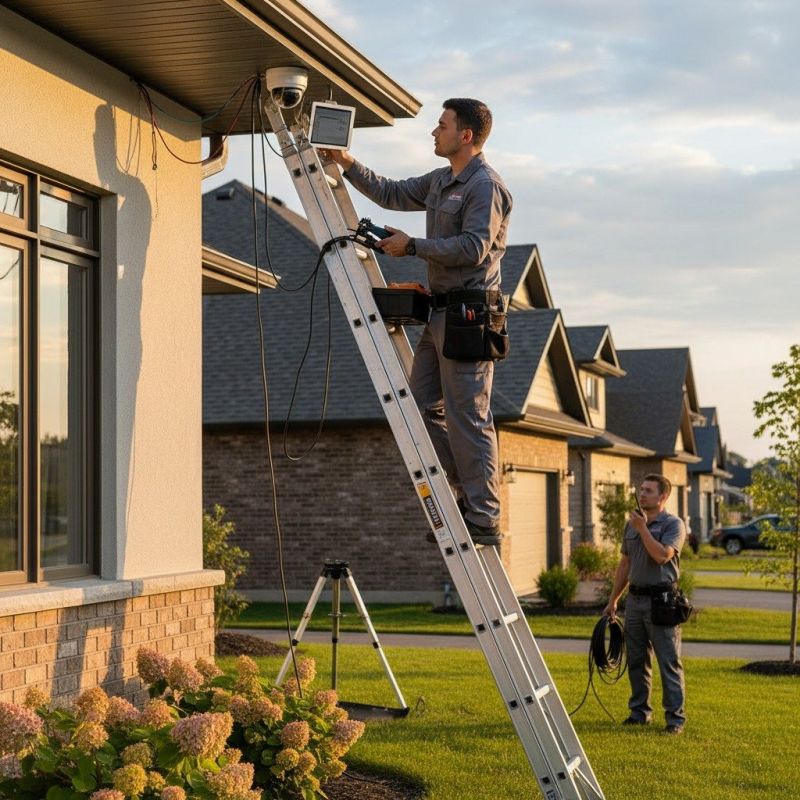
Clearly describe your surveillance camera installation project to effectively compare local contractors, verify experience, and set expectations in writing.
- Assess the experience and track record of local contractors with surveillance camera installations to ensure reliable service. - Verify that service providers can clearly define the scope of work and installation process in writing.
- Check that contractors evaluate the specific security needs and recommend appropriate camera types and placements. - Ensure they consider factors such as lighting, camera angles, and coverage areas during consultation.
- Review the contractors' plans for wiring, power sources, and network connectivity to confirm compatibility with existing infrastructure. - Confirm that detailed installation plans are provided and agreed upon before work begins.
- Confirm that service providers offer guidance on camera features, storage options, and remote access capabilities. - Look for contractors who can explain how the system will meet the security requirements.
- Ensure that the scope of work includes testing and troubleshooting to verify proper camera operation after installation. - Make sure all expectations and responsibilities are documented to prevent misunderstandings.
- Compare the experience and service offerings of local contractors to find those best suited for the specific surveillance needs. - Focus on providers who demonstrate clear communication and comprehensive service plans.
Compare local contractors’ experience and clarify project scope to ensure a successful surveillance camera installation.
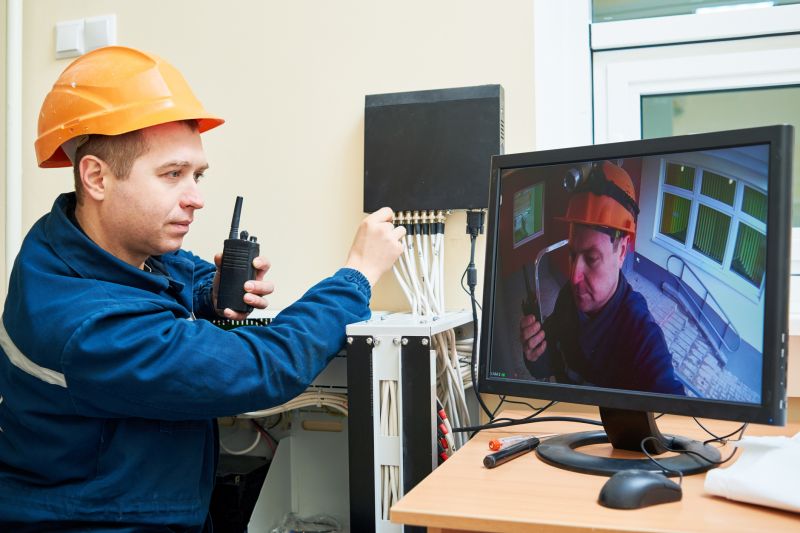
Use consistent comparison criteria across local contractors by clearly defining the scope, verifying experience, and setting expectations in writing.
- Define installation requirements - specify the areas to be monitored and the types of cameras needed for the project.
- Determine camera specifications - outline the desired features such as resolution, night vision, and field of view.
- Identify installation locations - select appropriate mounting points and coverage zones for optimal surveillance.
- Establish system integration needs - clarify whether the system should connect with existing security or smart home devices.
- Set documentation expectations - ensure all scope details, including installation procedures and coverage areas, are documented in writing.
When evaluating contractors for surveillance camera installation, it’s important to consider their experience with similar projects. Homeowners should inquire about the types of properties or environments the service providers have worked on, such as residential, commercial, or industrial sites. A contractor with a proven track record in installing systems comparable to the scope of the project can offer insights into potential challenges and effective solutions. Understanding their background helps ensure that the chosen service provider is familiar with the specific requirements of the installation, leading to a more informed decision.
A clear, written scope of work is essential when comparing contractors. This document should outline the specific tasks involved, such as the number of cameras, locations for installation, wiring, and any additional features like remote access or integration with existing security systems. Having a detailed scope helps prevent misunderstandings and sets clear expectations for what the project entails. Homeowners should review these documents carefully, ensuring that all aspects of the installation are addressed and that there is a mutual understanding of the work to be performed.
Verification of a contractor’s basic qualifications involves confirming their experience with similar projects and requesting references or examples of previous work. While licensing and certifications are not the focus here, homeowners can ask for details about past installations to gauge the quality and reliability of the service provider. It’s also helpful to verify that the contractor adheres to safety standards and follows best practices during installation. Gathering this information allows for a more thorough comparison of options and helps identify service providers with a solid foundation of relevant experience.
When assessing different contractors, it’s useful to evaluate how they communicate and how well they understand the project’s scope. Clear, detailed proposals that include comprehensive descriptions of the work can indicate professionalism and attention to detail. Homeowners should compare how each service provider approaches the project, asking questions about their process and how they plan to meet the outlined scope. By focusing on their ability to define and explain their approach in writing, homeowners can better determine which local contractors are capable of delivering a quality installation aligned with their expectations.
Ask contractors to provide written scope details to ensure clear expectations and consistent project understanding.
- Scope of Work Clarification - What specific areas and features should the surveillance cameras cover?
- Experience and Expertise - How many similar installation projects have the service providers completed?
- Equipment and Technology - What brands and types of surveillance cameras do the contractors recommend?
- Installation Procedures - How do the contractors plan to handle wiring, mounting, and system integration?
- Written Agreement Details - What should be included in the scope, responsibilities, and expectations in the contract?
How can I compare contractors for surveillance camera installation? To compare contractors, review their experience, verify references, and evaluate their scope of services to ensure they meet specific project needs.
What should I consider when defining the scope of surveillance camera installation? Clearly outline the areas to be monitored, camera types, placement preferences, and any additional features to help contractors understand project requirements.
How do I verify a contractor’s experience with surveillance camera systems? Ask for details about their previous projects, request references, and confirm their familiarity with the types of cameras and installation environments involved.
What is the importance of having a written agreement with a contractor? A written agreement helps set clear expectations, defines the scope of work, and provides a record of the project details to prevent misunderstandings.
How can I ensure a contractor understands my surveillance system needs? Communicate your specific requirements in detail and ask for a written plan or proposal that outlines how they will address your project.
Why is it helpful to review multiple contractor proposals for surveillance camera installation? Comparing different proposals allows for better understanding of approaches, scope, and experience, aiding in selecting the most suitable service provider.
This page has highlighted key considerations for selecting contractors to handle surveillance camera installation, including how to define the project scope, verify the experience of service providers, and establish clear expectations in writing. Understanding these aspects can help in making informed comparisons among local contractors, ensuring a smooth and well-organized process.
To find the right service provider for surveillance camera installation, visitors are encouraged to use the quote form to compare local options. Gathering details and reviewing responses can assist in identifying contractors who meet specific needs and preferences, making it easier to connect with suitable local service providers.